North Lawndale Neighborhood Guide to Housing and Life
July 9, 2026
July 9, 2026
If you are thinking about living in North Lawndale, you probably want a real picture of daily life, not just a map pin. This West Side Chicago community offers older low-rise housing, major park space, strong local institutions, and real transit access, but it also varies block by block. If you want to understand what housing looks like here, how people move around, and what everyday life may feel like, this guide will help you get grounded. Let’s dive in.
North Lawndale is about five miles west of the Loop, which places it within reach of downtown while still feeling distinct from more retail-heavy parts of Chicago. According to CMAP's 2024 snapshot, the community has 33,958 residents and 12,307 households, with an average household size of 2.7 and a median age of 33.8.
The area has a strong and layered identity. Research shows North Lawndale has a long history that includes post-Fire settlement, its time as one of Chicago’s largest Jewish communities, and its later development into a predominantly Black neighborhood. It is also noted as the place Martin Luther King Jr. chose as a base for the northern civil rights movement in 1966.
That history still shapes how people talk about the neighborhood today. Local place names, cultural memory, and long-standing institutions remain part of everyday identity, which gives North Lawndale a sense of continuity that goes beyond housing alone.
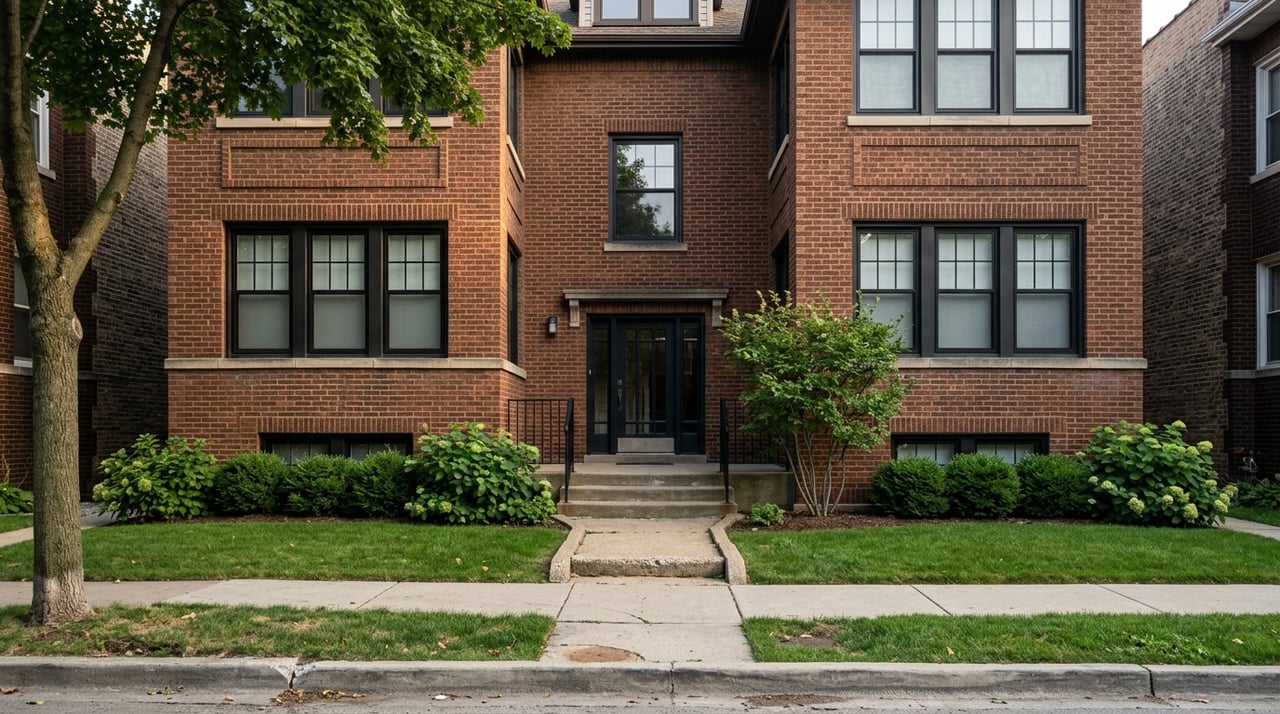
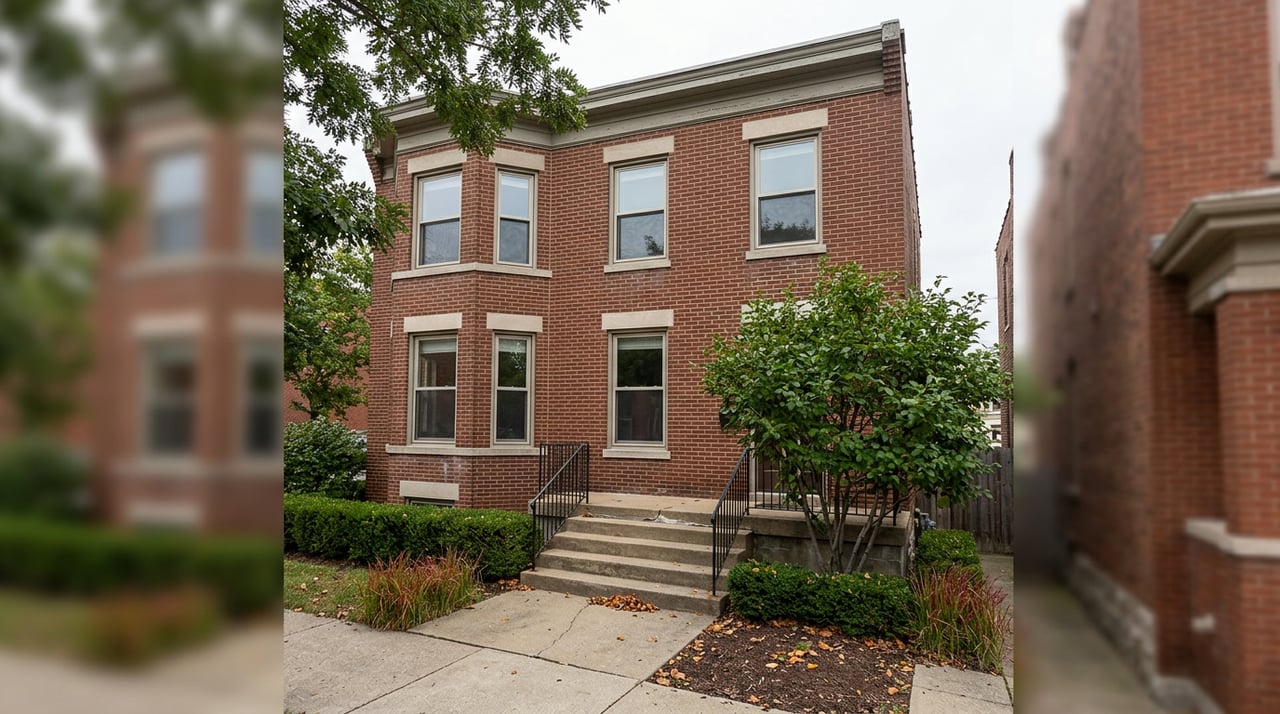
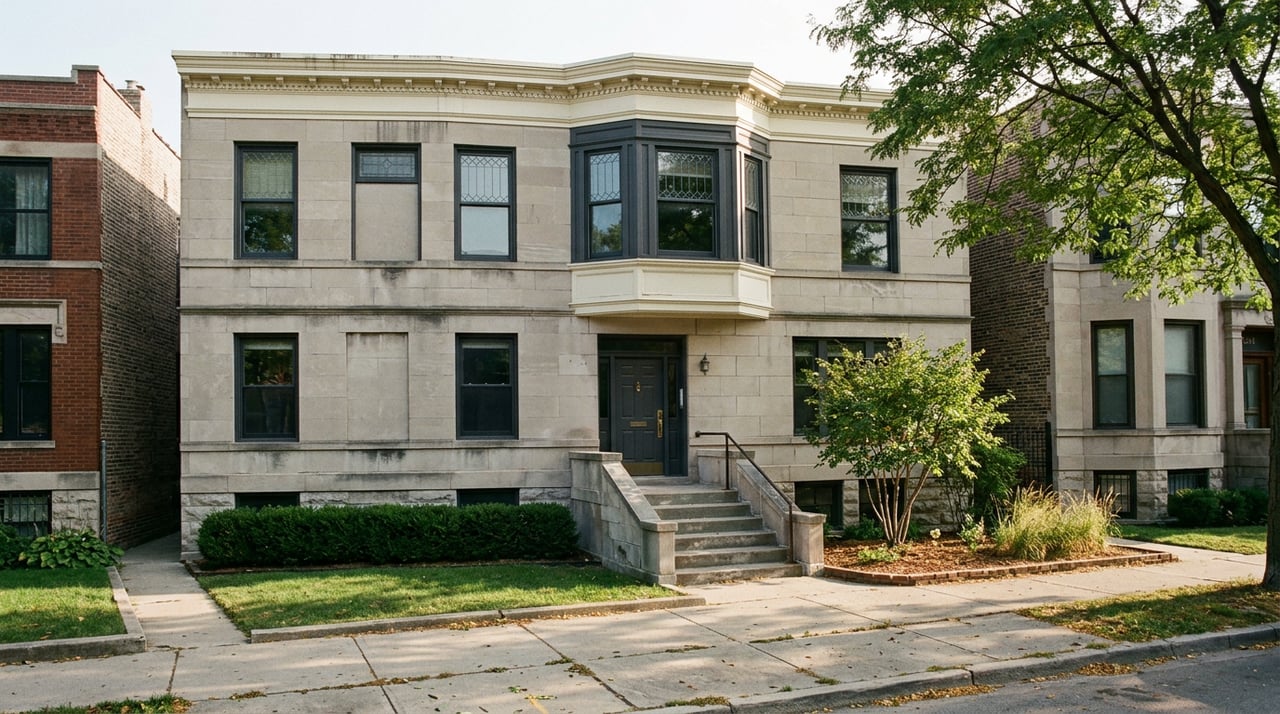
If you picture North Lawndale as a neighborhood of high-rises or newer condo towers, the data points in a different direction. It is still largely a low-rise community, with 27.9% of housing units in 2-unit buildings and 33.2% in 3- or 4-unit buildings.
Single-family detached homes make up 13.1% of the housing stock, while buildings with 20 or more units account for 6.8%. In practical terms, that means you are more likely to see two-flats, three-flats, and older brick residential buildings than large-scale new construction.
This housing mix matters whether you are renting, buying, or looking at a small multifamily property. It creates a neighborhood feel that is tied to blocks, building condition, and property-by-property variation rather than one uniform housing style.
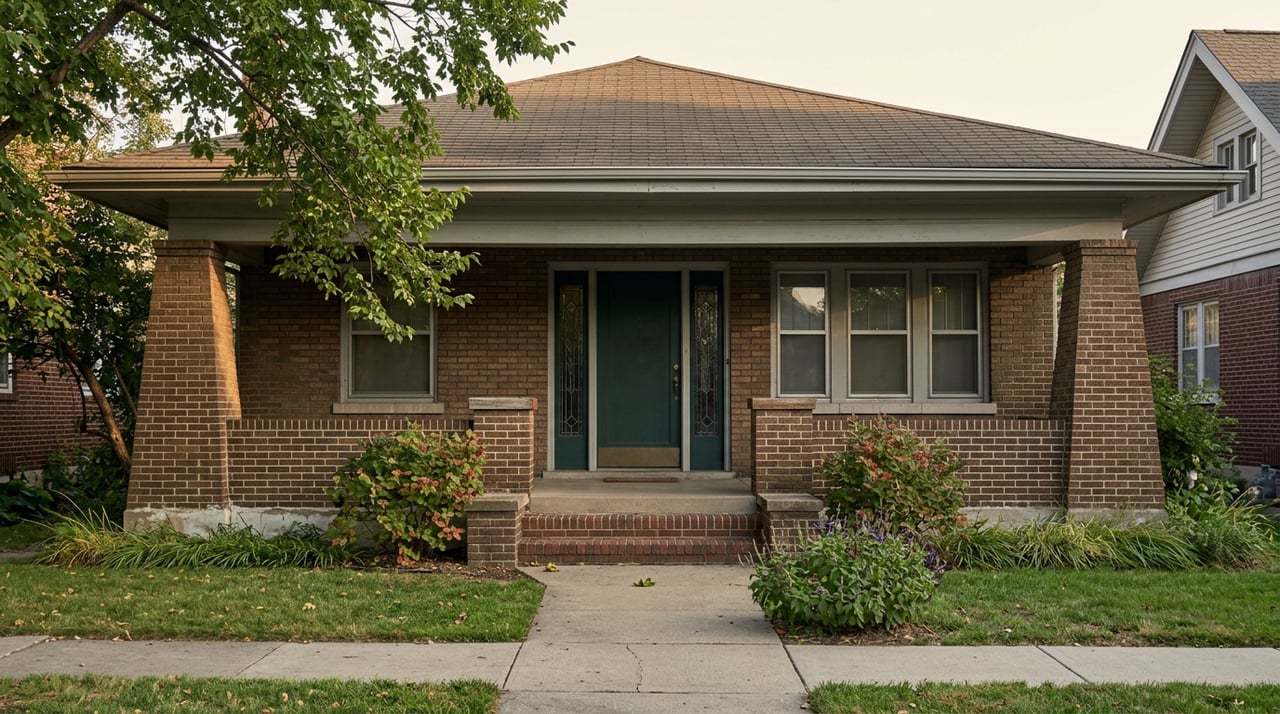
North Lawndale’s homes are not new, and that is an important part of the story. The median year built is 1936, and 53.8% of housing units were built before 1940.
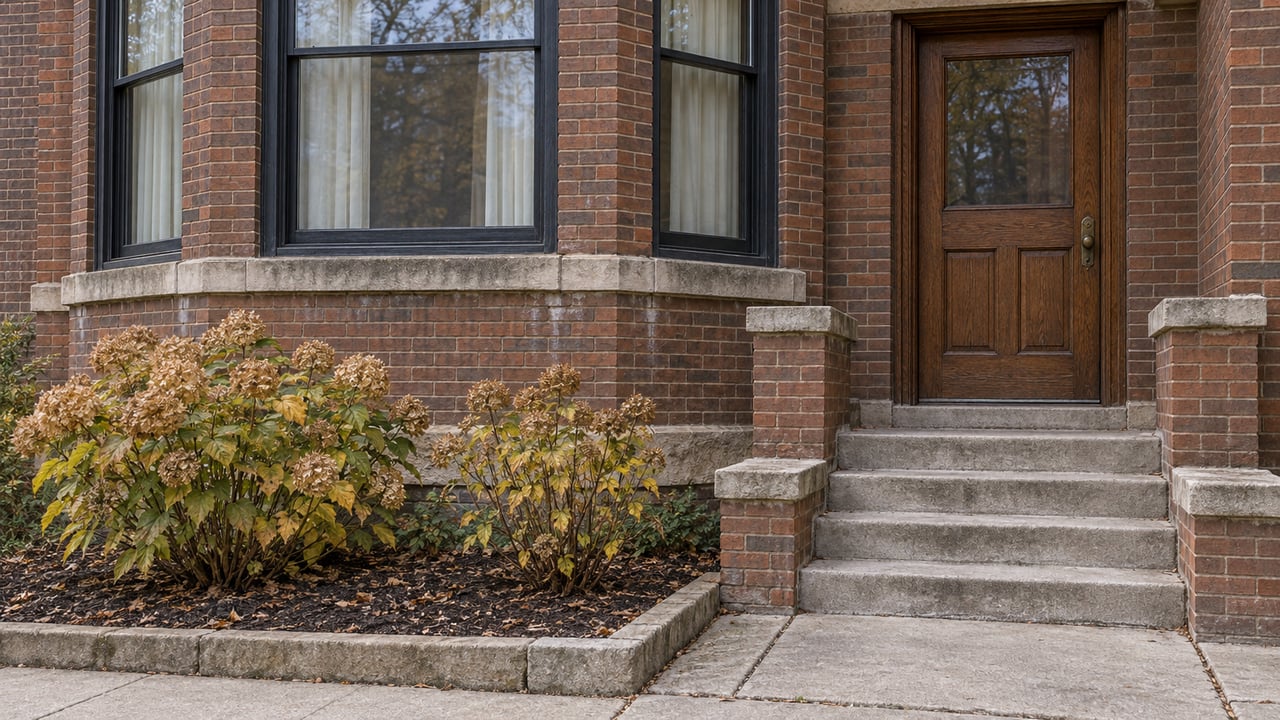
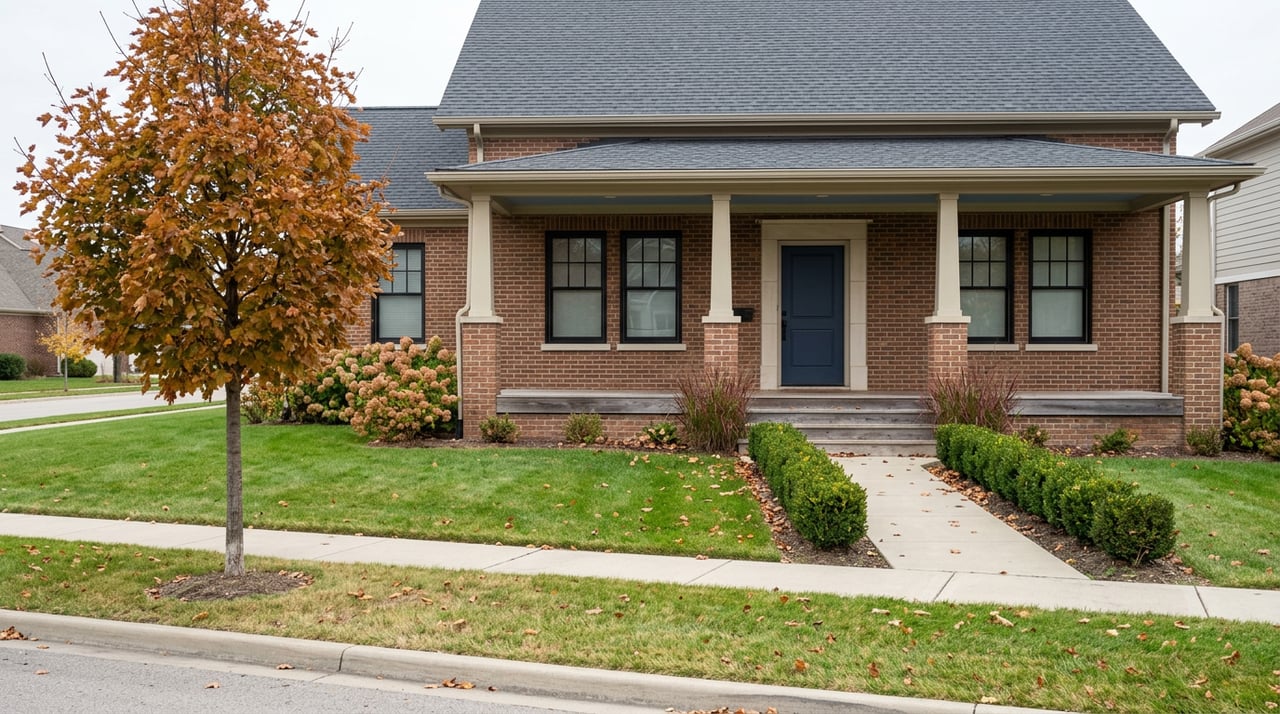
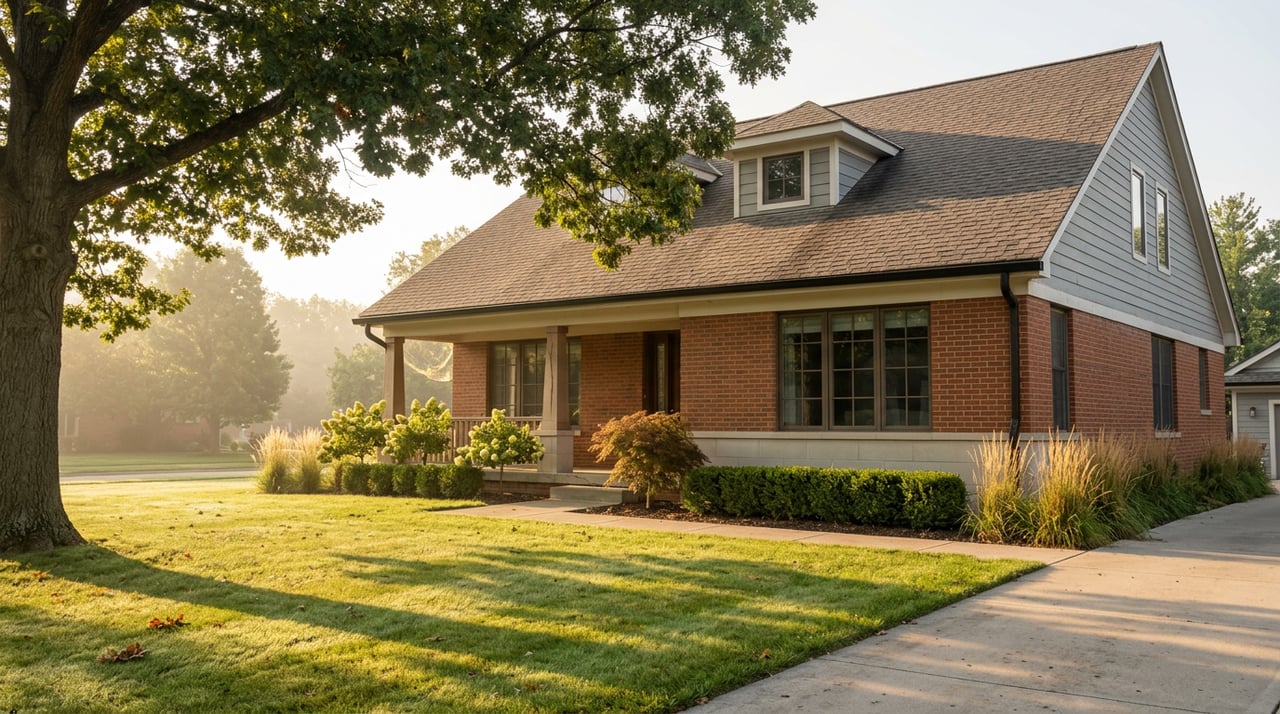
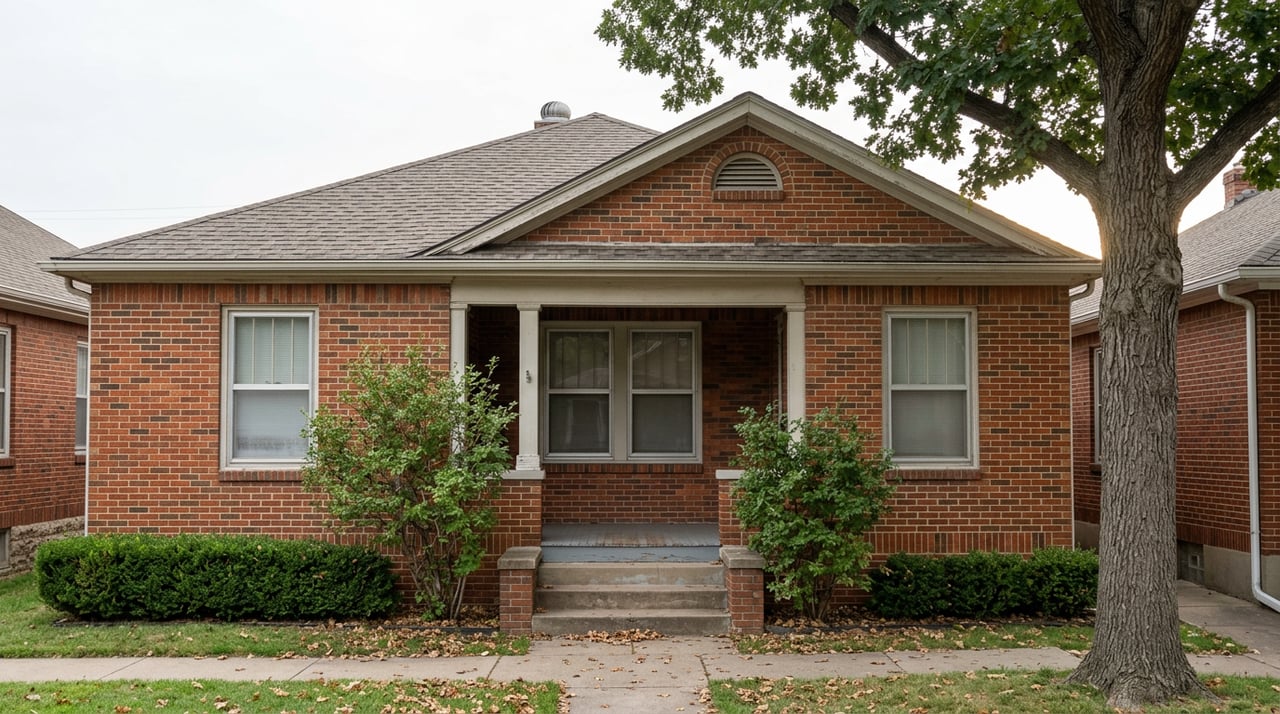
For you, that may mean vintage layouts, brick exteriors, and the character that often comes with older Chicago housing. It can also mean paying close attention to maintenance, updates, and overall building condition when comparing options.
This is one of those neighborhoods where details matter. Two buildings on nearby blocks can offer very different levels of renovation, systems updates, and long-term upkeep, so a careful review is especially important.
North Lawndale is primarily a renter neighborhood. CMAP reports that 73.4% of occupied units are renter-occupied, while 18.0% of units are vacant.
That mix affects the feel of the local market. For renters, it means there is a meaningful supply of rental housing in smaller buildings. For buyers, it means you may be looking in a market where owner-occupied homes, tenant-occupied properties, and investment-owned buildings all exist side by side.
The sales market is active as well. CMAP’s April 2025 housing profile shows 298 residential sales in 2022, with a median sales price of $248,000.
Investor activity is also a significant factor. The same report shows that 32.9% of sales were purchased by investor buyers, compared with a citywide benchmark of 15.8%.
If you are a buyer, especially a first-time buyer or someone considering a house hack, that investor presence is worth keeping in mind. It can affect competition, property condition, and how quickly a well-priced opportunity moves.
At first glance, North Lawndale may appear more affordable than many Chicago neighborhoods. The median gross rent was $1,245 in 2023, and the median sales price of $248,000 may also look accessible compared with higher-priced areas.
But affordability is not just about the sticker price. Research shows that 40.3% of renter households spent more than half of their income on housing costs, which points to real cost pressure for many residents.
If you are comparing neighborhoods, this is a good reminder to look beyond list price or rent alone. Monthly payment, taxes, repairs, utility costs, and transportation all shape what living in a place actually costs you.
When people talk about outdoor space in North Lawndale, Douglass Park is the centerpiece. The Chicago Park District reports that Anna and Frederick Douglass Park spans 162 acres, making it one of the community’s defining public spaces.
The park includes two gymnasiums, an auditorium, a fitness center, an outdoor pool, courts, fields, and a natural area with more than 20 acres of prairie, savanna, wetland, and aquatic habitat. That is a major amenity for recreation, exercise, and open space in this part of the city.
Outside of Douglass Park, neighborhood green space tends to be smaller in scale. Christiana Park and Hornbeam Park are described by the Chicago Park District as small neighborhood parks or playgrounds, which suggests that daily outdoor activity often comes from a mix of one major destination park and smaller local spaces.
North Lawndale is not defined by a dense retail footprint. CMAP land-use data shows commercial land at 3.4%, which helps explain why the neighborhood may feel more institution-based and corridor-based than shopping-centered.
In day-to-day life, that means local anchors matter. The Douglass Branch of the Chicago Public Library serves the community and includes Douglass YOUmedia, while Lawndale Christian Health Center’s main clinic on West Ogden offers adult, children’s, behavioral health, and specialty care.
For many residents, those kinds of institutions are part of what makes a neighborhood functional. They support routine needs in a way that goes beyond restaurants or storefront activity.
Transit is a meaningful part of everyday life here. CMAP reports that 21.6% of workers commute by transit, which is higher than both the citywide rate of 17.7% and the regional rate of 8.1%.
The average commute time is 36.3 minutes, and vehicle access is not universal. In fact, 32.3% of households have no vehicle available, which makes reliable transit and bus access especially relevant.
The CTA Pink Line operates daily between 54th/Cermak and the Loop, and CTA lists the line as accessible. CTA also states that all CTA buses are accessible, which adds flexibility for daily travel within the neighborhood and beyond.
If you are considering a move here, transportation should be part of your decision-making. Your routine may depend as much on proximity to transit corridors and bus routes as it does on the home itself.
North Lawndale has a physical layout that feels different from neighborhoods built around dense commercial strips. CMAP’s land-use inventory shows 32.8% transportation and other land, 14.9% vacant land, 10.5% industrial land, and 8.4% open space.
That data helps explain why the area can feel more spread out, more corridor-driven, and more varied from block to block. Vacancy and industrial land are part of the neighborhood pattern, and those conditions can shape how one stretch feels compared with another nearby area.
For you as a renter or buyer, that means touring carefully and paying attention to the immediate surroundings. In North Lawndale, micro-location matters.
North Lawndale may appeal to you if you want older low-rise housing, comparatively accessible price points, transit options, and strong community institutions. It may also make sense if you are open to a neighborhood where building-by-building and block-by-block differences play a big role in your experience.
For buyers, there may be opportunities in single-family homes, two-flats, three-flats, and four-unit properties, especially if you are thinking strategically about condition and long-term value. For renters, the neighborhood offers a market that is more rooted in smaller residential buildings than in large apartment complexes.
The key is to approach the area with clarity. North Lawndale is not a one-note neighborhood, and the strongest decisions usually come from understanding the specific block, the specific building, and how your daily routine fits the area.
If you are weighing a move, purchase, or sale in North Lawndale, working with someone who understands Chicago’s block-by-block variation can make the process much clearer. For strategic guidance on buying, selling, rentals, or multifamily opportunities, connect with Anthony Kirkland.
Anthony Kirkland offers a steady, market-informed approach to real estate defined by consistency, clear communication, and strong local insight. Serving Chicago, Chicagoland, and Gary, Indiana, he provides focused guidance shaped by each market’s distinct conditions. His approach is strategic and responsive, centered on informed decision-making and strong results.

Anthony Kirkland
10916 S CICERO AVE OAK LAWN, IL 60453